In the age of digital innovation, artificial intelligence (AI) has become a driving force across various industries. Among these, the world of fashion has embraced AI with open arms, revolutionizing everything from design and production to marketing and customer experiences. This article explores the fascinating intersection of AI and fashion, delving into its transformative impact and the future it promises.
AI in Fashion Design: A New Era of Creativity
Traditionally, fashion designers have relied on their artistic intuition and experience to create unique and trendsetting designs. However, AI is changing the game by assisting and enhancing the creative process. Machine learning algorithms can analyze vast datasets of fashion trends, customer preferences, and historical designs to generate design suggestions. Designers can use AI-powered tools to quickly prototype and experiment with ideas, helping them refine their creative vision.
One notable example is the IBM Watson-powered “Cognitive Dress,” which debuted at the 2016 Met Gala. Designed by Marchesa in collaboration with IBM, this dress used AI to analyze social media sentiments and create a dynamic visual display in real-time, reflecting the emotions of the online audience.
Streamlining Manufacturing with AI
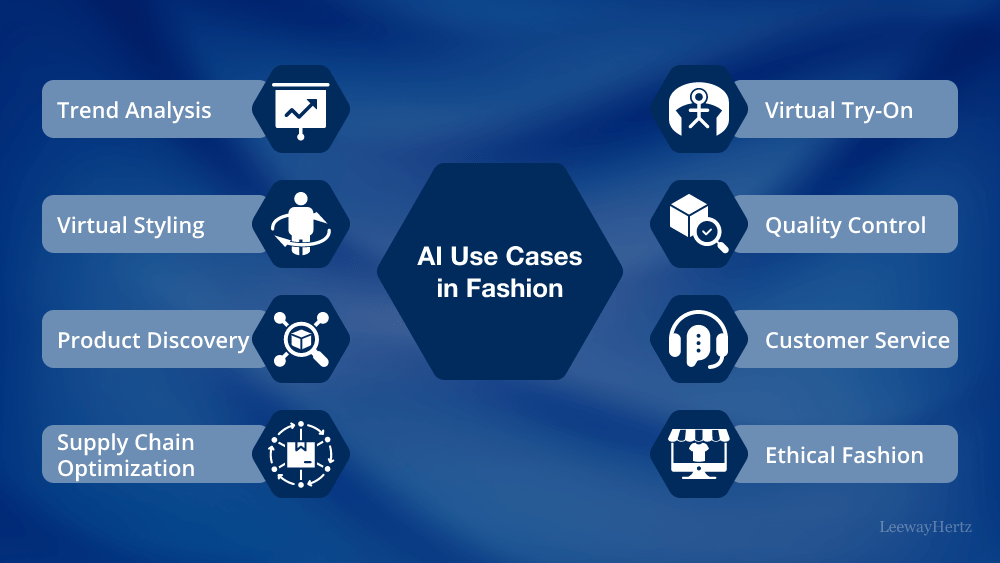
AI’s impact on fashion isn’t limited to the design stage; it extends to manufacturing and production as well. Automation, driven by AI and robotics, has sped up the manufacturing process and reduced errors in garment production. Computer vision systems can inspect and sort fabrics, ensuring quality control at every step of the manufacturing process.
Moreover, predictive maintenance powered by AI can help fashion manufacturers maintain their machinery more efficiently, reducing downtime and production bottlenecks. This not only saves time and money but also contributes to sustainable practices by minimizing waste.
Personalization and Customer Engagement
One of the most significant ways AI has transformed the fashion industry is through personalized customer experiences. Retailers use AI algorithms to analyze customer data, including purchase history, browsing behavior, and social media activity, to recommend products tailored to individual preferences. This personalization not only enhances the shopping experience but also increases conversion rates and customer loyalty.
Virtual try-on technologies, driven by computer vision and AI, allow customers to visualize how garments will look on them without trying them on physically. This technology has not only improved the online shopping experience but has also reduced the rate of product returns, benefiting both customers and retailers.
AI in Sustainability and Ethical Fashion
Sustainability is a growing concern in the fashion industry. AI is playing a crucial role in promoting eco-friendly practices. Machine learning algorithms can optimize supply chain management, helping brands reduce waste, minimize overproduction, and make ethical sourcing decisions. By analyzing data on materials and production processes, AI can suggest more sustainable alternatives and help fashion brands reduce their carbon footprint.
Additionally, AI is aiding in the development of circular fashion, where garments are designed with recycling and reusing in mind. Brands can use AI to track the lifecycle of their products, making it easier to repurpose materials and extend the life of clothing items.
Challenges and Ethical Considerations
While AI offers tremendous potential for the fashion industry, it also raises important ethical considerations. Issues related to data privacy, bias in algorithms, and job displacement in manufacturing are real concerns. Fashion brands must be transparent in their use of AI and ensure that it aligns with ethical and sustainable practices.
Moreover, the overreliance on AI-generated designs can potentially stifle creativity and homogenize the industry. Striking the right balance between AI assistance and human creativity is essential to preserve the artistry and uniqueness of fashion.
The Future of AI in Fashion
The future of AI in fashion is bright and full of possibilities. We can expect AI to continue to refine the design process, enabling designers to push creative boundaries. AI-powered fashion assistants that help individuals curate their style and optimize their wardrobes are likely to become more prevalent.
Innovations like 3D printing and AI-driven custom sizing could completely disrupt the traditional fashion supply chain, making clothing more accessible and sustainable. As AI technologies become more sophisticated, we might even witness AI-designed fashion collections that challenge conventional notions of aesthetics and creativity.
In conclusion, AI’s integration into the fashion industry is reshaping how we design, produce, and consume clothing. It has the potential to make fashion more sustainable, personalized, and efficient. However, it also comes with ethical responsibilities that fashion brands must uphold. As AI continues to evolve, the fashion industry stands at the cusp of a digital revolution that promises to redefine the very essence of style and creativity.
 AI Tech