Artificial Intelligence (AI) has permeated every facet of our lives, from healthcare to finance and even entertainment. As AI becomes more integrated into our daily activities, the security of AI models has become a paramount concern. The potential for misuse, data breaches, and other security vulnerabilities in AI systems is a pressing issue that requires attention. In this article, we will delve into the concerns surrounding AI model security, explore best practices, and discuss techniques to safeguard these powerful technologies.
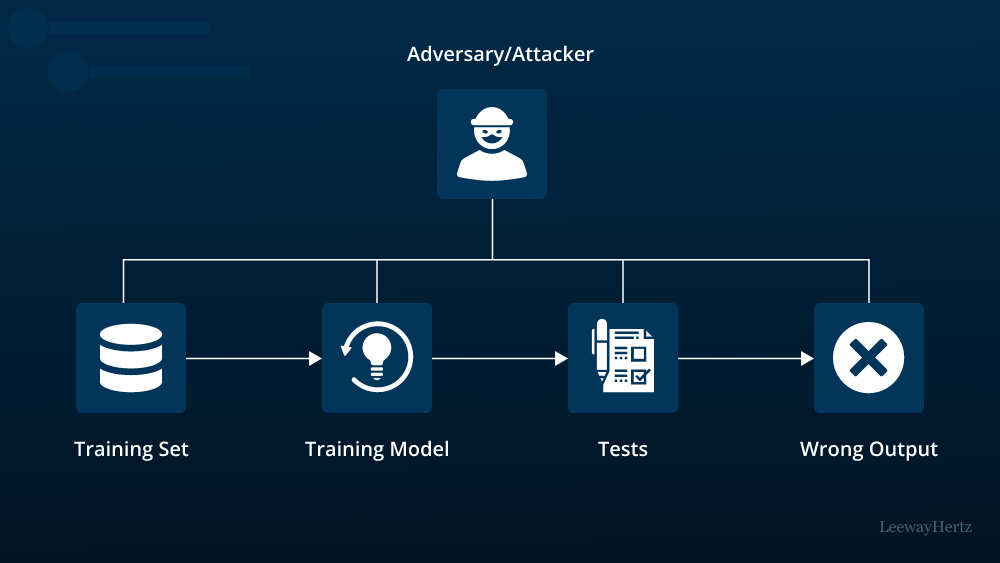
Concerns in AI Model Security
- Data Privacy: AI models often require large datasets to train effectively. Collecting and storing these datasets can pose a significant risk to data privacy. Unauthorized access to sensitive information can lead to serious consequences, including identity theft and financial fraud.
- Adversarial Attacks: Adversarial attacks involve manipulating AI systems by making small, imperceptible changes to input data. These attacks can fool AI models into making incorrect predictions or classifications. Protecting against adversarial attacks is a growing challenge in AI security.
- Model Bias: AI models can inherit biases present in the data they are trained on. This can lead to unfair or discriminatory outcomes, such as biased hiring decisions or predictive policing. Addressing and mitigating model bias is crucial for ethical AI deployment.
- Model Theft: Competitors or malicious actors may attempt to steal proprietary AI models to gain a competitive advantage or use them for malicious purposes. Protecting the intellectual property of AI models is essential.
Best Practices for AI Model Security
- Data Encryption: Encrypting data during storage and transmission is a fundamental security measure. Implement strong encryption algorithms and ensure that keys are properly managed.
- Access Control: Implement strict access controls to limit who can access and modify AI model data and code. Role-based access control (RBAC) can help enforce these policies effectively.
- Regular Audits: Conduct regular security audits to identify vulnerabilities and weaknesses in your AI model infrastructure. This should include code reviews, penetration testing, and vulnerability assessments.
- Data Minimization: Only collect and retain data that is necessary for AI model training. Minimizing data reduces the potential for data breaches and limits exposure to privacy risks.
- Robust Training Data: Ensure that training data is diverse and representative to minimize bias in AI models. Use data preprocessing techniques to detect and mitigate bias.
Techniques to Enhance AI Model Security
- Adversarial Training: Train AI models to resist adversarial attacks by incorporating adversarial examples into the training process. This helps the model learn to recognize and reject malicious inputs.
- Federated Learning: Federated learning allows AI models to be trained across decentralized devices or servers without sharing raw data. This approach can enhance privacy and security by reducing the risk of data exposure.
- Model Watermarking: Embed unique watermarks or signatures in AI models to track their usage and identify instances of model theft or misuse.
- Explainable AI: Incorporate explainability into AI models to better understand their decision-making processes. This helps identify and rectify bias and ensures transparency in AI-powered decisions.
- Continuous Monitoring: Implement continuous monitoring of AI models in production to detect anomalies and potential security breaches in real-time. This can help mitigate risks promptly.
In conclusion, the growing integration of AI into various sectors necessitates a strong focus on AI model security. Concerns such as data privacy, adversarial attacks, model bias, and model theft must be addressed through a combination of best practices and cutting-edge security techniques. By adopting robust security measures and staying vigilant, organizations can harness the power of AI while mitigating the associated risks, ensuring a safer and more secure AI-driven future.
 AI Tech